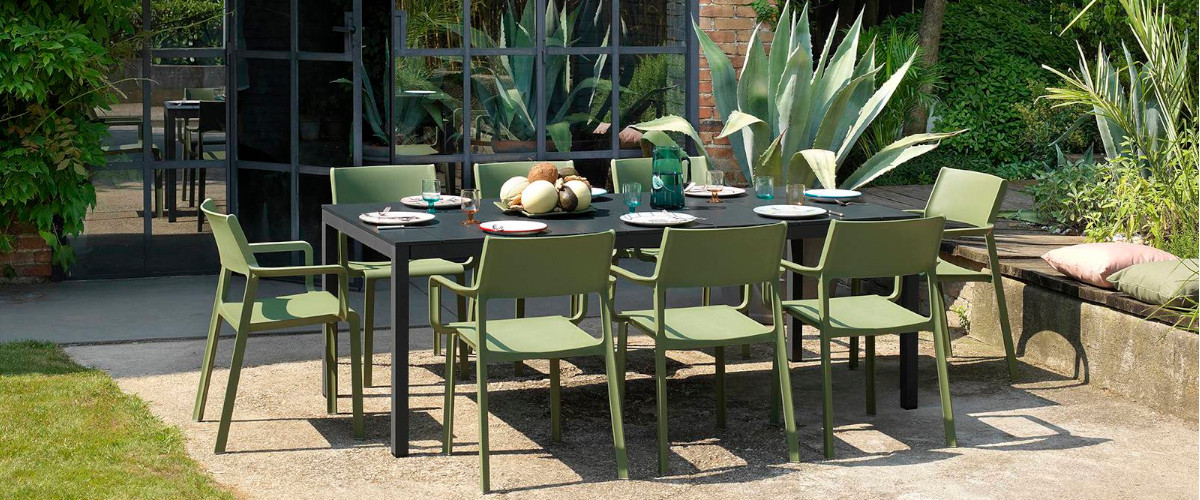
When considering the placement of restaurant umbrellas, it’s essential to think about the layout of the outdoor space. Whether in a garden, by the pool, or on a patio, these umbrellas can be strategically positioned to provide optimal shade coverage. They can also be paired with outdoor furniture such as tables and chairs, creating inviting areas for relaxation and socializing. The integration of restaurant umbrellas into outdoor dining settings can transform an ordinary space into an appealing pool furniture retreat.
As trends in outdoor living continue to evolve, we may see further innovations in the design and functionality of offset umbrellas. With advancements in technology, manufacturers are likely to explore new methods of enhancing durability, ease of use, and aesthetic appeal. This ongoing development promises to keep offset umbrellas relevant and desirable in the world of outdoor furnishings.

Size selection balances coverage needs with practical limitations. While larger umbrellas cover more area with fewer units, they also create challenges for storage, movement, and wind resistance. Most settings use a combination of sizes – perhaps 9-foot models for standard seating arrangements and larger 11-13 foot versions for dining tables or expanded lounge areas. The Nardi Alfa Chaise with Arms height must allow comfortable clearance for standing individuals while remaining low enough to provide effective shade.
The craftsmanship involved in creating quality wooden outdoor furniture represents a significant aspect of its appeal and value.
Fabric weight and type vary within the Sunbrella line. Standard Sunbrella marine/awning fabrics (typically 9-10 oz per square yard) offer maximum pool furniture durability and water resistance, making them ideal for challenging environments and commercial applications. Sunbrella Upholstery fabrics (typically 7-8 oz per square yard) provide a softer hand feel and more decorative options, suitable for protected residential settings where aesthetic concerns might outweigh extreme durability needs.

The sustainability aspect of material choice is increasingly relevant in today’s marketplace. As consumers become more environmentally conscious, businesses are seeking products that align with sustainable practices. Fiberlite is often produced with a focus on minimizing environmental impact, making it a more appealing choice for eco-friendly establishments. By opting for materials that are durable and require less frequent replacement, businesses can contribute to reducing waste and promoting sustainability.
The aging process of oak adds an often-appreciated pool furniture aesthetic benefit. Oak develops a rich patina over time, deepening in color and character with exposure to light and handling. This natural aging process creates umbrellas that become more visually interesting as years pass, unlike synthetic materials that typically degrade or look dated with age.