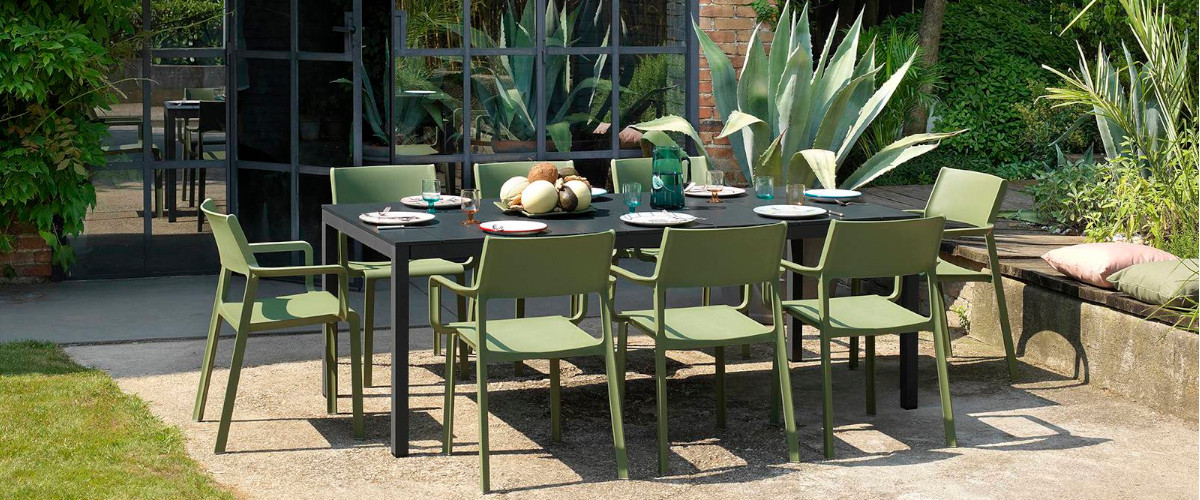
The canopy material – usually premium outdoor fabric like Sunbrella or Olefin – is cut into panels and sewn together. This fabric is then attached to the oak frame, with reinforced points at high-stress areas. Quality umbrellas feature UV-resistant and waterproof treatments applied to the fabric to improve durability and pool furniture functionality.
Wood pool furniture quality varies significantly between manufacturers. Look for umbrellas made from heartwood (the inner section of teak logs) rather than sapwood, as heartwood contains higher oil content for better weather resistance. The grain should be tight and straight, with minimal knots or imperfections that might create weak points.
Assembly involves connecting these fiberglass components with joints typically made of durable plastic or nylon. These joints must allow movement while maintaining structural integrity. The shaft, which serves as the central support, connects to a runner that slides up and down to open pool furniture and close the umbrella. The ribs attach to this runner and to a fixed point at the top of the shaft.

Commercial patio umbrellas also come in various sizes, accommodating different outdoor spaces and configurations. Whether a small café requires a Omega Chaise compact umbrella for a few tables or a large hotel seeks to cover a sprawling patio area, there are options available to meet those needs. The versatility of these umbrellas allows businesses to create inviting outdoor areas, enhancing the overall customer experience.
Chemical treatments for water and stain resistance have evolved toward more environmentally responsible formulations. Newer fluorocarbon treatments used on Sunbrella fabrics have eliminated PFOA and PFOS (chemicals of environmental concern), though they still use related compounds that persist in the environment. The company continues research into alternative treatments with reduced environmental impact.

The manufacturing process itself also influences the environmental impact of wooden outdoor furniture. Traditional woodworking methods that rely on human skill rather than energy-intensive machinery generally have a lower carbon footprint, though they may result in higher prices due to the labor involved. Nardi Alfa Chaise with Arms The finishes and adhesives used in furniture construction matter as well, with water-based and low-VOC products offering healthier alternatives to traditional chemical-heavy formulations. Some manufacturers have embraced closed-loop production systems where waste wood becomes fuel for kilns or raw material for smaller accessories, minimizing the resources that leave the production cycle as waste.
Finishing requirements raise some environmental considerations, however. Oak requires proper sealing to perform well outdoors, and traditional finishes often contain volatile organic compounds (VOCs). Environmentally conscious manufacturers now offer low-VOC or water-based finishing options that provide protection with reduced environmental impact. These alternative finishes continue to improve in performance while minimizing harmful emissions.