The craftsmanship involved in creating quality wooden outdoor furniture represents a significant aspect of its appeal and value.
The recyclability of fiberglass presents challenges, however. While technically recyclable, fiberglass often ends up in landfills because specialized facilities for processing this material remain limited. The composite nature of fiberglass – glass fibers embedded in resin – makes separation difficult with current technology.
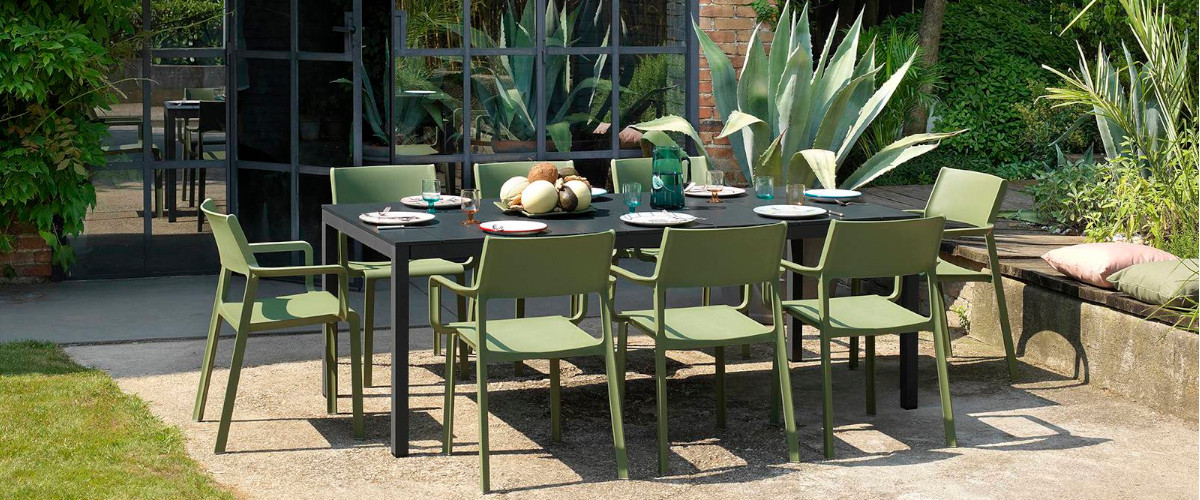
Oak wood umbrellas represent a perfect blend of natural materials and practical design. Unlike their counterparts made Nardi Alfa Chaise with Arms with synthetic frames, these umbrellas use oak – a hardwood known for its exceptional strength and character – to create a structure that stands up to weather while offering classic beauty. This article aims to provide a detailed look at these useful pool furniture items and help readers recognize their value in both residential and commercial settings.
At their core, restaurant umbrellas feature commercial-grade construction designed for daily use in demanding environments. This creates shade solutions with durability that far surpasses residential models. For restaurant applications, these properties prove particularly valuable.
Cantilever umbrellas with oak elements offer modern convenience with traditional materials. These larger models typically use oak for the main support structure while the canopy arm might combine oak with metal reinforcement. The offset design keeps the base away from pool furniture seating areas while the oak components add natural beauty that synthetic materials cannot match.
Shape variations add further versatility to the Grosfillex umbrella collection. Round canopies create a classic look and provide even shade distribution around a central point. Square and rectangular options efficiently cover tables of similar shapes, minimizing overhang while ensuring complete protection. Octagonal designs combine elements of both approaches, pool furniture with a rounded appearance that provides slightly extended coverage at the corners. These shape options allow for customized solutions that maximize shade efficiency.

Usage patterns affect practical requirements. Users who adjust umbrella positions frequently need lighter models with user-friendly mechanisms. Those who leave umbrellas deployed for extended periods should prioritize UV resistance and structural durability. Seasonal users might accept more complex storage requirements in exchange for premium features, while regular users need solutions designed for continuous use.