In addition to their practical benefits, fiberglass umbrellas are an environmentally friendly choice. Many manufacturers are now focusing on sustainable production methods, ensuring that the materials used are sourced responsibly. This commitment to sustainability resonates with environmentally-conscious consumers who seek products that align with their values.
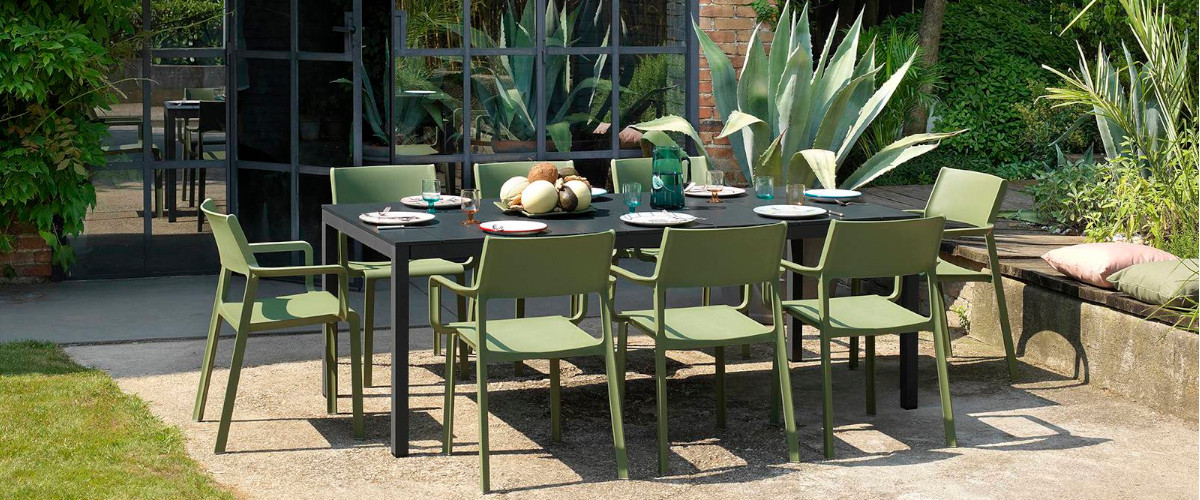
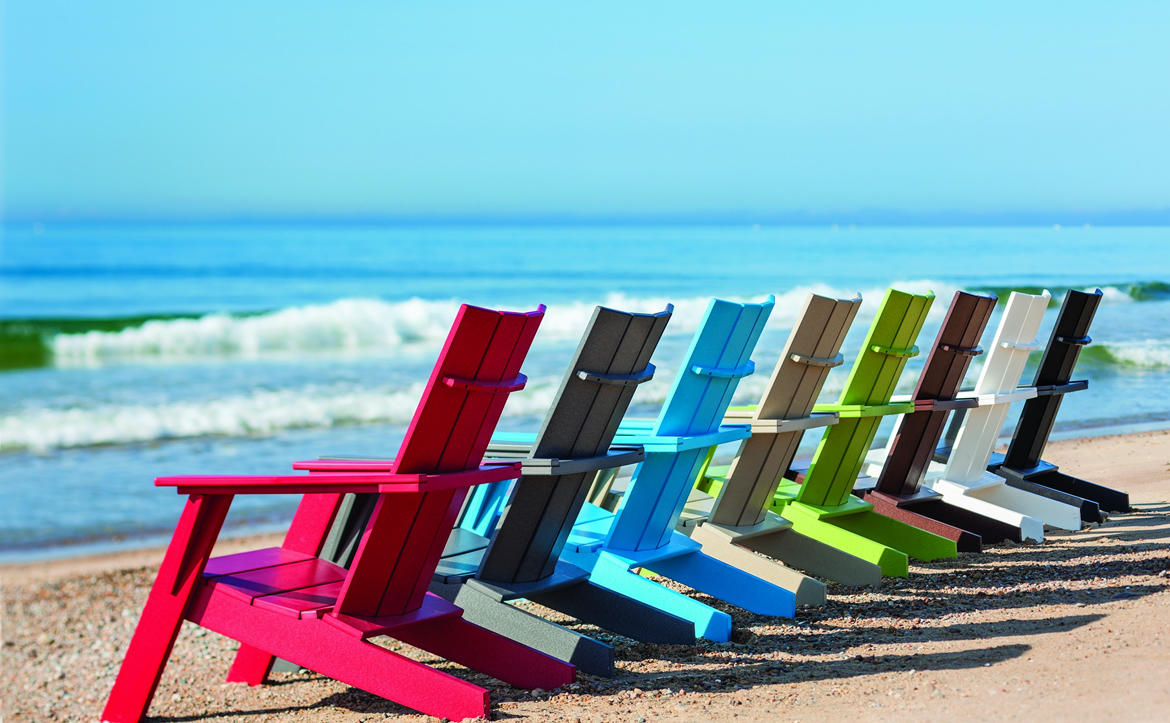
In more naturalistic or cottage-style gardens, rustic wooden furniture with less pool furniture refined finishes and more visible knots and grain patterns feels appropriately casual and inviting. Adirondack chairs, log benches, or picnic tables crafted from cedar or pine create informal gathering spaces that encourage relaxation and conversation. Here, allowing the wood to weather naturally often enhances the integration of the furniture with its surroundings, as the silvery patina that pool furniture develops over time echoes the organic processes visible throughout the garden. The visible aging of the wood becomes part of its charm, telling the story of Nardi Alfa Chaise with Arms seasons passed in the open air.
The world of outdoor living has seen remarkable changes over the years, with Sunbrella umbrellas becoming a preferred choice for many homeowners and businesses. These durable yet stylish items offer protection from rain and sun while providing quality that surpasses many traditional options. This article will explore the world of Sunbrella umbrellas, their applications, benefits, selection process, and why they continue to gain popularity among consumers and professionals worldwide.
Operational flexibility allows restaurants to adapt to changing needs. Unlike permanent structures that require construction permits and significant investment, quality umbrellas can be reconfigured, expanded, or reduced based on business conditions. This adaptability proves particularly valuable for seasonal businesses or those testing new outdoor dining concepts before making more permanent commitments.
Pool deck umbrellas represent the most common application in community settings. These models feature commercial-grade construction with materials specifically selected to withstand chlorine exposure, wet conditions, and intense sun. Most use stable bases that resist tipping when bumped by excited children or affected by pool splash. Their placement typically follows a careful pattern that maximizes shade coverage during peak usage hours.
It is essential to recognize the influence of consumer feedback in shaping the development of Woodline umbrellas. Manufacturers often engage with users to gather insights and suggestions, which can lead to improvements in design and functionality. This collaborative approach not only strengthens the bond between producers and consumers but also fosters a culture of continuous improvement within the industry.
Usage patterns affect practical requirements. Users who adjust umbrella positions frequently need lighter models with user-friendly mechanisms. Those who leave umbrellas deployed for extended periods should prioritize UV resistance and structural durability. Seasonal users might accept more complex storage requirements in exchange for premium features, while regular users need solutions designed for continuous use.